Do WiFi Boosters Really Work? Debunking Common Myths
Understanding WiFi Boosters
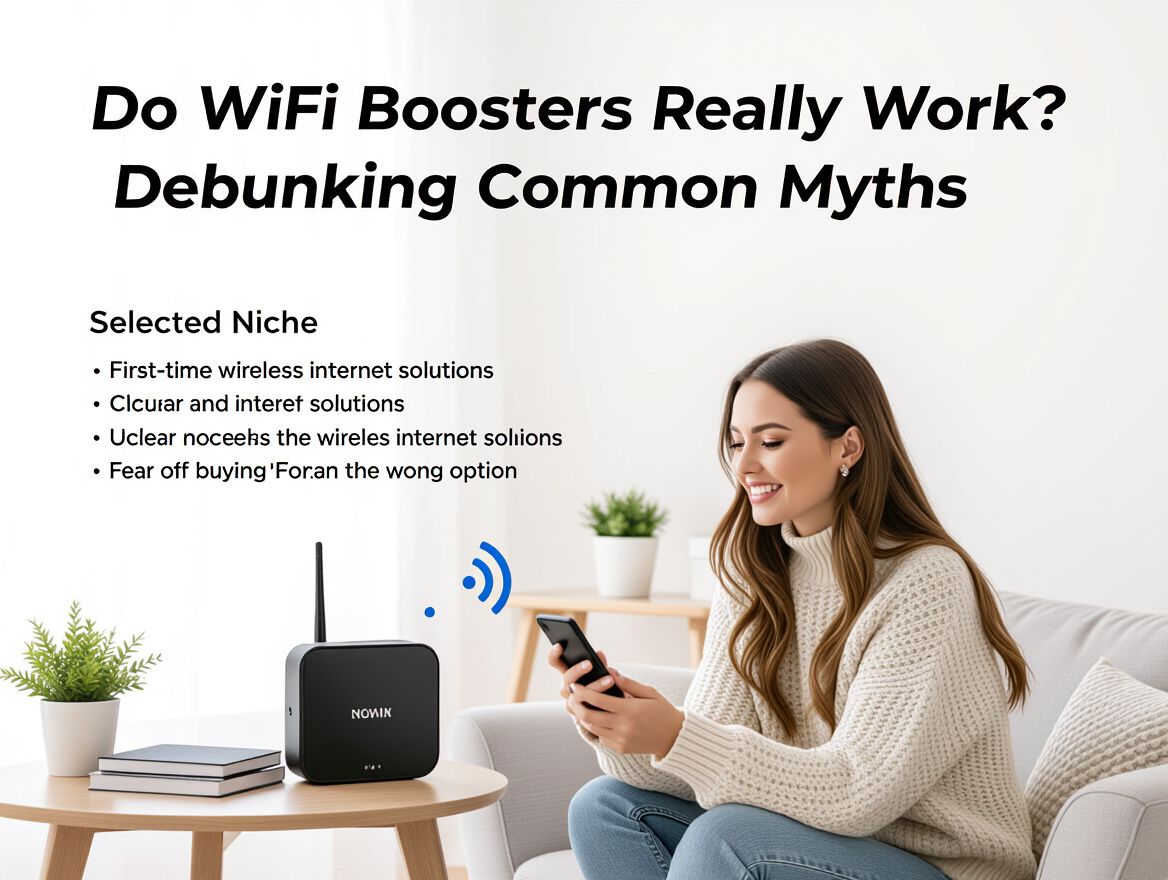
WiFi boosters, also known as range extenders or repeaters, are devices designed to enhance the coverage area of your existing WiFi network. They work by receiving the WiFi signal from your router and amplifying it, allowing for better connectivity in areas that may suffer from weak or inconsistent signals.
Common Scenarios for Using WiFi Boosters
- Large Homes: In larger residences, WiFi signals may struggle to reach distant corners, making boosters essential for maintaining strong connections throughout the space.
- Multi-Story Buildings: WiFi signals can weaken as they pass through floors and walls, making boosters valuable for ensuring coverage across different levels.
- Outdoor Spaces: For those wanting to extend their WiFi signal to patios, gardens, or outdoor gatherings, a booster can help bridge the gap between indoor and outdoor connectivity.
- Remote Workspaces: In home offices located far from the router, a booster can provide the necessary signal strength for reliable internet access.
Understanding these scenarios can help consumers determine whether a WiFi booster is the right solution for their connectivity needs.
Common Myths About WiFi Boosters
Many consumers remain skeptical about the effectiveness of WiFi boosters, often influenced by misconceptions that can lead to poor purchasing decisions. Understanding these myths is crucial for making informed choices about enhancing your home network.
Myth 1: WiFi Boosters Double Your Internet Speed
One prevalent belief is that installing a WiFi booster will automatically double your internet speed. In reality, while a WiFi booster can extend coverage and improve connectivity in weak signal areas, it does not increase the speed provided by your internet service. Instead, it redistributes the existing bandwidth, which may lead to better performance in certain areas but does not enhance the overall speed of your connection.
Myth 2: All WiFi Boosters Are the Same
Consumers often assume that all WiFi boosters function identically, but this is far from the truth. There are various types of boosters, including repeaters, extenders, and mesh systems, each designed for specific scenarios. Factors such as range, compatibility with existing routers, and the technology used can significantly affect their performance. Therefore, it's essential to evaluate your specific needs and the environment in which the booster will be used.
Myth 3: WiFi Boosters Eliminate Dead Zones Completely
Another common misconception is that WiFi boosters can eliminate all dead zones in your home. While they can significantly reduce dead spots by amplifying signals, certain physical barriers like walls, floors, and other electronic devices can still impede performance. The effectiveness of a booster also depends on its placement; an improperly positioned device may not effectively address connectivity issues.
Conclusion
By debunking these myths, consumers can better assess whether a WiFi booster is the right solution for their connectivity issues. Understanding the limitations and capabilities of these devices will help in making a more informed purchasing decision tailored to individual needs.
Key Criteria for Evaluating WiFi Boosters
When considering a WiFi booster, it’s essential to assess several key criteria to ensure you choose a device that meets your connectivity needs. Here’s a checklist to guide your evaluation:
-
Compatibility with Existing Routers: Verify that the WiFi booster is compatible with your current router's technology (e.g., 802.11ac, 802.11n). This ensures seamless integration without performance bottlenecks.
-
Coverage Area and Range: Assess the coverage area the booster can effectively extend. Look for specifications detailing the maximum range and whether it suits your home’s size and layout, especially if you have multiple floors or thick walls.
-
Speed and Performance Metrics: Check the maximum throughput speeds supported by the booster. Ensure it aligns with your internet plan to avoid underutilization. Performance in real-world scenarios can vary, so consider user reviews for practical insights.
-
Ease of Setup and Installation: Evaluate whether the booster offers simple installation processes, such as mobile app support or WPS (Wi-Fi Protected Setup) options. User-friendly devices can save time and reduce frustration during setup.
By considering these criteria, you can make a more informed decision about whether a WiFi booster will effectively enhance your home network.
Understanding Trade-offs and Limitations
When considering whether WiFi boosters are the right solution for your connectivity issues, it's essential to understand the potential trade-offs and limitations associated with their use. While they can enhance signal strength in certain scenarios, several factors may impact their overall effectiveness.
-
Possible Degradation of Connection Speed: WiFi boosters can amplify signals, but this process may lead to reduced speeds, especially if the booster is far from the router. The more devices connected through the booster, the greater the chance of a speed drop.
-
Interference Issues with Other Devices: WiFi boosters operate on the same frequencies as many other household devices, such as microwaves and cordless phones. This overlap can lead to interference, potentially degrading performance and connectivity stability.
-
Physical Barriers Affecting Performance: Walls, floors, and furniture can obstruct signals, resulting in inconsistent performance. The effectiveness of a WiFi booster is heavily influenced by the layout of your home and the materials used in its construction.
Understanding these limitations can help you set realistic expectations and make a more informed decision about whether a WiFi booster is suitable for your specific situation.
Assessing Fit: Do WiFi Boosters Meet Your Needs?
When considering whether a WiFi booster is the right solution for your connectivity issues, it's essential to evaluate several factors specific to your environment and needs. Understanding these aspects can help you make an informed decision.
-
Home Layout and Size: The effectiveness of a WiFi booster largely depends on the physical characteristics of your home. If you live in a small apartment, a booster may suffice to extend coverage. However, in larger homes or those with multiple floors, you might need a more robust solution, such as a mesh network, which provides better coverage across extensive areas.
-
Specific Connectivity Issues: Identify where your WiFi struggles the most. Are there dead zones in certain rooms, or is the speed slow during peak usage times? If the problem is primarily due to distance from the router, a booster may help. If the issue is interference from walls or other electronic devices, consider assessing the placement of your router or exploring wired solutions.
-
Alternative Solutions: Before committing to a WiFi booster, evaluate other options like mesh networks or powerline adapters. Mesh systems can offer seamless coverage throughout larger spaces without the need for multiple devices, while powerline adapters use your home's electrical wiring to transmit internet signals, which might be a better fit depending on your layout.
By carefully assessing these factors, you can determine whether a WiFi booster is the best solution for your connectivity challenges or if another option would serve you better.
Frequently Asked Questions
As consumers consider whether WiFi boosters are the right solution for their connectivity challenges, several common questions arise. Understanding these can help clarify the decision-making process.
How do I know if I need a WiFi booster?
You may need a WiFi booster if you experience:
- Weak Signals: Areas in your home where the WiFi signal is weak or drops frequently.
- Slow Speeds: Noticeably reduced internet speeds in specific locations, especially further from the router.
- Inconsistent Connectivity: Regular disconnections or buffering during streaming or online activities.
Evaluating your current WiFi performance can help determine if a booster is necessary.
Can a WiFi booster work with any router?
Most WiFi boosters are designed to be compatible with a wide range of routers. However, consider the following:
- Standards Compatibility: Ensure that the booster supports the same WiFi standards as your router (e.g., 802.11ac, 802.11n).
- Frequency Bands: Check if the booster supports both 2.4 GHz and 5 GHz bands, as some routers operate on dual bands for better performance.
While compatibility is generally broad, it's wise to verify specifications to avoid potential issues.
What are the signs that my WiFi booster is not working?
You may notice several indicators that your WiFi booster is underperforming:
- No Improvement: If you still experience weak signals or slow speeds in areas where the booster is placed, it may not be functioning effectively.
- Frequent Disconnections: If devices frequently disconnect from the network or struggle to connect, it could signal a problem with the booster.
- Limited Coverage Extension: If the range of your WiFi has not increased, or if the booster does not seem to amplify the signal as expected, it may need troubleshooting or replacement.
Being aware of these signs can help you assess the effectiveness of your WiFi booster and determine the next steps.
Final Thoughts on WiFi Boosters
As we conclude our exploration of WiFi boosters, it's essential to reflect on the myths and facts surrounding these devices. Many consumers approach the idea of investing in a WiFi booster with skepticism, often due to misconceptions that can cloud their judgment.
Recap of Myths and Facts
-
Myth: WiFi boosters double your internet speed.
Fact: They enhance coverage but do not increase the speed of your internet connection. -
Myth: All WiFi boosters are the same.
Fact: Different types exist, each suited for specific needs, including range and compatibility considerations. -
Myth: WiFi boosters are a one-size-fits-all solution.
Fact: Effectiveness can vary based on factors like home layout, existing network equipment, and the specific technology used in the booster.
Encouraging Informed Evaluation
Before making a purchase, consider the following:
- Assess Your Needs: Understand your specific connectivity challenges, such as dead zones or slow speeds in certain areas of your home.
- Evaluate Your Environment: The layout of your space can significantly influence the performance of a WiFi booster. Multi-story homes or those with thick walls may require different solutions.
- Research Options: Look into various types of boosters and their functionalities to find one that aligns with your requirements.
- Consider Compatibility: Ensure that any booster you choose is compatible with your existing router and internet service provider.
By taking these factors into account, you can make a more informed decision on whether a WiFi booster is the right solution for enhancing your connectivity.