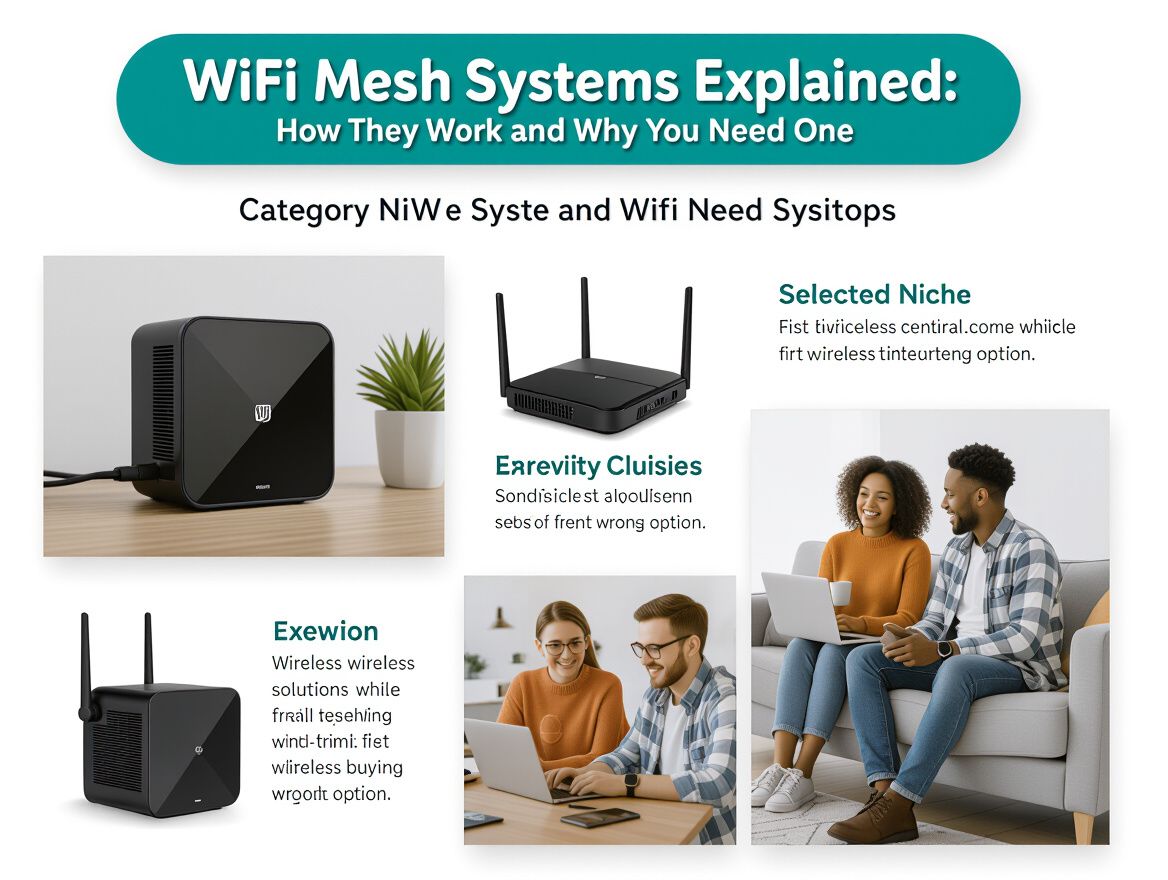
WiFi Mesh Systems Explained: How They Work and Why You Need One
Understanding WiFi Mesh Systems
WiFi mesh systems are innovative networking solutions designed to provide seamless internet coverage throughout larger spaces, such as homes or offices. Unlike traditional routers that rely on a single point of connection, mesh systems consist of multiple nodes that communicate with each other, creating a unified network. This configuration helps eliminate dead zones and ensures a more reliable connection across various areas.
In today’s digital landscape, strong WiFi connectivity is crucial. Whether for remote work, online learning, or streaming entertainment, users increasingly rely on stable internet access. With the proliferation of smart devices, the demand for robust WiFi networks has never been higher. A WiFi mesh system can enhance connectivity by distributing signals more effectively, making it an appealing choice for consumers looking to improve their home or office network.
Key Considerations for WiFi Mesh Systems
- Coverage Area: Assess the size of the space that requires coverage to determine how many nodes you might need.
- Device Compatibility: Ensure that the system is compatible with your existing devices and supports the number of connections you require.
- Ease of Setup: Look for systems that offer straightforward installation processes, especially if you’re not tech-savvy.
- Scalability: Consider whether you might want to expand your network in the future and how easy it is to add additional nodes.
- Budget: Weigh the cost against the benefits of improved connectivity, considering both initial investment and long-term performance.
Understanding these aspects will help you make an informed choice when considering WiFi mesh systems, ensuring you select a solution that meets your connectivity needs effectively.
How WiFi Mesh Systems Work
WiFi mesh systems are designed to enhance wireless coverage throughout larger areas, such as homes or offices, by utilizing multiple interconnected devices. This setup typically consists of a primary router and several satellite nodes strategically placed around the space to ensure seamless connectivity.
Key Components
- Router: The central hub that connects to your internet service provider. It manages traffic and communicates with the nodes.
- Nodes: Additional devices that extend the WiFi signal. They work together with the router to distribute coverage evenly across the area.
Communication Mechanism
WiFi mesh systems use a technology called "mesh networking," where each node communicates with the router and other nodes. This creates a network that can dynamically route data based on the most efficient path. Key features include:
- Self-Healing Capabilities: If one node fails or loses connection, the system automatically reroutes data through other nodes, maintaining stability.
- Unified Network: Unlike traditional routers that may require switching between signals, a mesh system provides a single network name (SSID) for seamless roaming throughout the coverage area.
Coverage Benefits
The primary advantage of a mesh system is its ability to cover larger spaces without dead zones. This is particularly beneficial in environments with:
- Multiple Floors: Mesh nodes can be placed on different levels to ensure coverage in every room.
- Obstacles: Thick walls or furniture that block signals can be mitigated by strategically placing nodes to optimize signal strength.
Considerations for Consumers
When evaluating a WiFi mesh system, consider the following:
- Number of Nodes: Assess how many nodes you will need based on the size and layout of your space.
- Internet Speed Needs: Ensure the system can handle your internet speed, especially if multiple devices will be connected simultaneously.
- Installation Complexity: Some systems are easier to set up than others. Look for user-friendly options if you're not tech-savvy.
Understanding these components and how they function helps consumers make informed decisions about enhancing their WiFi connectivity with mesh systems.
Benefits of Using WiFi Mesh Systems
WiFi mesh systems offer distinct advantages over traditional routers, making them an appealing choice for consumers looking to enhance their connectivity. Here are the key benefits to consider:
-
Improved Coverage and Reliability: Unlike standard routers that emit signals in a single direction, mesh systems utilize multiple nodes strategically placed around your space. This design helps eliminate dead zones and provides consistent connectivity throughout larger areas, ensuring that you can access the internet from any corner of your home or office.
-
Scalability for Larger Spaces: Mesh systems are particularly beneficial for larger homes or office environments. You can easily expand your network by adding more nodes without the need for complicated setups. This scalability allows you to customize your network based on the size of your space and the number of devices connected, making it a flexible solution as your needs grow.
-
Ease of Installation and Management: Most mesh systems are designed for straightforward installation, often guided by user-friendly apps. These applications help manage your network settings, monitor device connections, and even run diagnostics. This simplicity makes mesh systems accessible for users who may not be tech-savvy, reducing the stress often associated with setting up complex networking equipment.
In summary, the benefits of WiFi mesh systems—enhanced coverage, scalability, and ease of use—make them a compelling option for anyone looking to improve their wireless connectivity. By understanding these advantages, consumers can make informed choices that best suit their connectivity needs.
Trade-offs and Considerations
When considering WiFi mesh systems, it’s essential to weigh the potential downsides against their benefits. Here are key trade-offs and considerations to keep in mind:
-
Cost Considerations: Mesh systems generally come at a higher price point compared to traditional routers. While they offer enhanced coverage and performance, the initial investment can be significant, especially for larger setups that require multiple nodes.
-
Possible Latency Issues: In larger mesh configurations, there may be latency concerns, particularly if nodes are spaced too far apart or if the system is overloaded with devices. This can lead to slower speeds and a less reliable connection, which is crucial for activities like gaming or streaming.
-
Compatibility with Existing Hardware: Before investing in a mesh system, assess its compatibility with your current network hardware. Some mesh systems may not work seamlessly with older routers or devices, which can complicate your setup and require additional adjustments.
Understanding these considerations can help you make an informed choice about whether a WiFi mesh system is the right solution for your connectivity needs.
Common Buyer Questions
When considering WiFi mesh systems, potential buyers often have specific inquiries that can influence their purchasing decisions. Understanding these common questions can help you navigate the options available and make an informed choice.
What problems do WiFi mesh systems solve?
WiFi mesh systems primarily address issues related to inadequate coverage and connectivity in larger spaces. They effectively eliminate dead zones by providing a network of interconnected nodes that work together to deliver a consistent internet signal. This is particularly beneficial in homes or offices with multiple floors or walls that can obstruct WiFi signals. Additionally, mesh systems can manage multiple devices seamlessly, which is crucial in environments with high connectivity demands.
What criteria should influence the choice of a mesh system?
When selecting a WiFi mesh system, consider the following criteria:
- Coverage Area: Assess the size of your space and the number of nodes required to eliminate dead zones.
- Number of Devices: Evaluate how many devices will connect simultaneously to ensure the system can handle your needs.
- Ease of Setup: Look for systems that offer user-friendly installation processes and management apps.
- Speed Requirements: Consider the internet speed you need for streaming, gaming, or working from home.
- Budget: Determine how much you are willing to invest, as prices can vary significantly.
What are the common risks associated with mesh systems?
While WiFi mesh systems offer numerous benefits, there are some risks and trade-offs to be aware of:
- Cost: Mesh systems can be more expensive than traditional routers, particularly if you require multiple nodes.
- Complexity in Configuration: Although many systems aim for simplicity, some users may still encounter challenges during setup or management.
- Interference Issues: In high-density areas, multiple mesh systems can interfere with each other, potentially degrading performance.
- Reliability on Internet Service: The effectiveness of a mesh system is contingent on the quality of your internet service; if your ISP connection is weak, the mesh system cannot compensate for that.
By addressing these common questions, consumers can better understand WiFi mesh systems and make choices that align with their connectivity needs and expectations.
Making an Informed Decision
As you consider investing in a WiFi mesh system, it's essential to weigh the benefits against potential trade-offs to ensure that your choice aligns with your specific connectivity needs. Here’s a recap of key points to guide your decision-making process:
-
Benefits Recap:
- Comprehensive Coverage: Mesh systems excel in providing consistent WiFi signals across larger areas, reducing dead zones in your home or office.
- Easy Scalability: You can expand your network easily by adding nodes, accommodating future needs without complicated setups.
- User-Friendly Management: Many mesh systems come with intuitive apps that simplify installation and network management, making them accessible for users of all technical levels.
-
Trade-offs to Consider:
- Cost: Mesh systems can be more expensive than traditional routers, depending on the number of nodes and features included.
- Complexity in Advanced Features: While basic setup is straightforward, advanced configurations may require a deeper understanding of networking principles.
- Overkill for Small Spaces: If you live in a small apartment, a mesh system might be more than you need, potentially leading to unnecessary expenses.
Before making a purchase, assess your personal needs:
- Evaluate the size of your space and the number of devices that will connect to your network.
- Consider whether your current connectivity issues stem from coverage gaps or the number of devices you use simultaneously.
By carefully analyzing these factors, you can make an informed choice about whether a WiFi mesh system is the right solution for enhancing your internet connectivity.


More in Wifi Mesh Systems
View All