Wireless Access Points vs Routers: Which Do You Need?
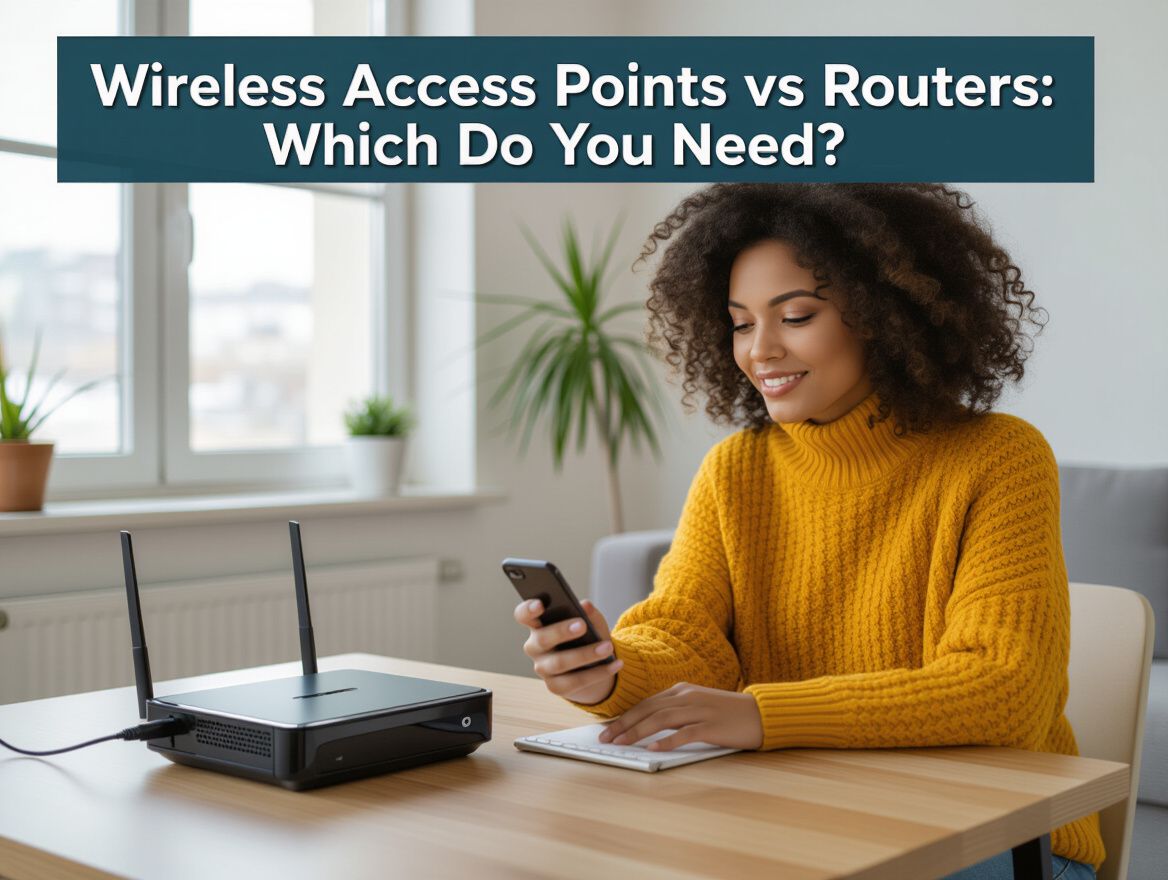
Understanding Wireless Access Points and Routers
When setting up or upgrading a wireless network, it's crucial to differentiate between wireless access points and routers, as both serve distinct roles in network functionality.
Definitions:
-
Wireless Access Points (WAPs): These devices connect to a wired network and allow wireless devices to connect to that network. They extend the coverage of a network, enabling connections in areas where a router's signal may be weak or non-existent. WAPs are ideal for expanding network coverage in larger spaces or in environments with many obstacles.
-
Routers: A router is a device that routes data between different networks. It connects to the internet via a modem and manages traffic between the internet and connected devices, both wired and wireless. Routers often include built-in security features and network management tools.
Importance of Understanding the Difference:
Recognizing the functionalities of WAPs and routers is essential for making informed purchasing decisions. The choice between the two depends on specific needs, such as the size of the area to be covered, the number of devices, and the nature of internet usage.
Key Considerations:
- Coverage Needs: If you have a large area or multiple floors, WAPs can significantly enhance signal strength.
- Network Management: Routers typically offer more robust management features, making them suitable for controlling network traffic and security.
- Scalability: WAPs can be added as needed to expand network coverage without replacing existing routers.
Understanding these distinctions will help guide your decision-making process, ensuring you select the right equipment for your networking needs.
Key Differences Between Wireless Access Points and Routers
Understanding the distinctions between wireless access points and routers is essential for optimizing your network setup. Both devices play critical roles in wireless connectivity, but they serve different purposes and are suited for various scenarios.
Network Coverage and Performance
- Routers: Typically serve as the central hub for your home or office network, managing data traffic between devices and the internet. They often come with built-in features like firewall protection and DHCP server capabilities, which can enhance network security and efficiency.
- Access Points: Extend the existing network coverage by connecting to a router via Ethernet. They are particularly beneficial in large spaces where the router's signal might not reach all areas effectively, allowing for a more robust and consistent connection.
User Capacity and Scalability
- Routers: Limited in the number of simultaneous connections they can handle. For smaller networks, this may suffice, but as user demand increases, performance can degrade.
- Access Points: Designed to handle a higher number of devices without significant performance loss. They can be added to a network to scale up capacity, making them ideal for businesses or environments with many concurrent users.
Installation and Management Complexity
- Routers: Generally easier to set up and manage for home users. Most modern routers come with user-friendly interfaces and mobile apps to assist with configuration.
- Access Points: Installation can be more complex, often requiring knowledge of networking principles and potentially additional hardware. They may require configuration through a web interface, which could be daunting for casual users.
By evaluating these factors—network coverage, user capacity, and installation complexity—you can make a more informed decision about whether a wireless access point, a router, or a combination of both is the best fit for your specific networking needs.
When to Choose a Wireless Access Point Over a Router
In various scenarios, opting for a wireless access point (WAP) instead of a traditional router can significantly enhance network performance and coverage. Here are specific situations where WAPs are particularly beneficial:
-
Large Spaces Requiring Extensive Coverage: In environments such as warehouses, large offices, or multi-story buildings, a single router may not provide adequate coverage. WAPs can be strategically placed to eliminate dead zones and ensure a strong signal throughout the area, allowing for seamless connectivity across distances.
-
High-Density Environments: Settings like schools, conference centers, or busy offices often experience high user density, leading to network congestion. WAPs can distribute the load more effectively by managing connections from multiple devices simultaneously, which helps maintain speed and reliability.
-
Integration with Existing Network Setups: For businesses or homes with an established wired network, adding WAPs can enhance wireless capabilities without the need to replace existing routers. This integration allows for a more flexible network expansion, supporting new devices and increased bandwidth demands as needed.
When considering whether to choose a WAP over a router, think about the scale of your network, the density of device usage, and how well your existing infrastructure can accommodate additional access points. Each scenario presents unique challenges that WAPs are designed to address, making them a valuable addition to many networking setups.
When to Choose a Router Over a Wireless Access Point
Selecting between a router and a wireless access point (WAP) can significantly affect your network setup. While both serve important roles, there are specific scenarios where a router is the more suitable choice. Here are key considerations to help you determine if a router meets your needs better than a WAP.
Home Networks with Fewer Devices
For smaller households or simple networks with only a few devices, a router often suffices. Routers are designed to handle basic networking tasks effectively, making them ideal for environments where extensive coverage or multiple access points aren't necessary. If your network comprises mainly smartphones, tablets, and laptops, a router can manage the connections without the complexity of adding WAPs.
Simpler Setups with Less Technical Maintenance
Routers typically offer a more straightforward setup process than WAPs. For users who prefer convenience and minimal technical maintenance, a router can be the perfect fit. It combines the functionality of routing and wireless connectivity in one device, reducing the need for additional configurations. This is especially beneficial for users who may not have extensive technical knowledge or who want a plug-and-play solution.
Cost Considerations for Small-Scale Use
When evaluating budget constraints, routers generally represent a more cost-effective solution for smaller networks. Investing in a single router can be less expensive than purchasing a combination of routers and WAPs, especially when you consider installation and maintenance costs. If your network needs are modest, opting for a router can provide adequate performance without overspending on unnecessary equipment.
Trade-offs and Limitations
While routers are suitable for smaller setups, they may struggle in larger spaces or areas with significant obstacles. The coverage and performance can diminish as the number of connected devices increases. Users should consider future expansion needs; if you anticipate adding more devices or expanding your network, a more scalable solution like WAPs might be necessary.
In conclusion, choosing a router over a wireless access point can be advantageous for users with simpler networking needs, fewer devices, and budget considerations. However, it's crucial to evaluate your specific requirements and potential growth to ensure the best fit for your networking environment.
Trade-offs and Considerations
When choosing between wireless access points and routers, it's essential to weigh the trade-offs and considerations that can impact your network's performance and future needs. Understanding these factors can help prevent potential pitfalls and ensure you select the most suitable device for your environment.
Cost vs. Performance Trade-offs
- Initial Investment: Wireless access points can be more cost-effective for expanding coverage in larger areas, especially when you already have a capable router. However, investing in a high-quality router may provide better performance and management features upfront.
- Long-term Value: Consider the total cost of ownership. While WAPs might require additional investment for multiple units, a robust router could reduce the need for extensive infrastructure changes down the line.
Installation Complexity Risks
- Setup Difficulty: Installing a router is typically straightforward, but integrating multiple access points can complicate the setup process. Ensure you have the technical expertise or support available for configuring WAPs effectively.
- Network Management: A more complex setup with WAPs may require advanced knowledge of network management, especially regarding IP addressing and signal optimization.
Future Scalability and Flexibility
- Network Expansion: If you anticipate future growth or increased device connectivity, WAPs allow for easy scalability without the need to replace existing routers. However, ensure that your current router can handle the increased load and that it supports the necessary protocols.
- Technological Advancements: As technology evolves, consider how each option aligns with future advancements. Routers with built-in features like mesh networking may offer longer-term flexibility compared to standalone WAPs.
By evaluating these trade-offs, you can make a more informed decision that aligns with your specific networking needs, balancing performance, installation complexity, and future scalability.
Frequently Asked Questions
When considering the differences between wireless access points and routers, it's common to have questions about their specific functionalities and how they can meet your networking needs. Here are some frequently asked questions to help clarify the distinctions and guide your purchasing decisions.
What are the main use cases for each device?
-
Wireless Access Points (WAPs):
- Ideal for expanding coverage in large spaces or buildings with multiple floors.
- Useful in environments with many obstacles, such as thick walls or metal structures, where a router's signal may falter.
- Often deployed in commercial settings, such as offices and schools, to provide reliable wireless access in various areas.
-
Routers:
- Serve as the primary device for connecting to the internet, managing both wired and wireless connections.
- Suitable for home networks where a single device can handle internet traffic and provide basic security features.
- Typically include functionalities like firewall protection and network management, making them essential for home and small business use.
How do I know which one I need?
- Assess your coverage requirements: If you have a large area needing wireless access, a WAP may be necessary. For smaller spaces, a router might suffice.
- Consider the number of devices: If you have many devices connecting simultaneously, a router with robust management features is crucial. WAPs can be added to enhance coverage without replacing a router.
- Evaluate your internet usage: For basic browsing and streaming, a router may be enough. For high-density environments or specific applications, integrating WAPs can enhance performance.
Can I use both in conjunction?
Yes, using both devices together can provide a more comprehensive solution for your networking needs. A router can serve as the central hub, while multiple WAPs can extend the network's range and improve connectivity in larger or more complex environments. This setup allows for better management of internet traffic and ensures that all areas receive adequate coverage.
Making the Right Choice for Your Network
Choosing between wireless access points and routers is a pivotal decision that can significantly impact your network's performance and coverage. Here’s a recap of the key considerations to help you evaluate your options effectively:
-
Understand Your Coverage Requirements: If your space is large or has multiple levels, wireless access points can extend your network coverage more effectively than a standalone router. Assess the layout of your area to determine if you need additional coverage.
-
Evaluate Network Management Needs: Routers typically offer advanced network management features, including traffic control and security protocols. If you require robust management capabilities, a router may be more suitable for your environment.
-
Consider Scalability: If you anticipate needing to expand your network in the future, wireless access points can be added incrementally without the need to replace your existing router. This flexibility can be beneficial for growing businesses or evolving home networks.
-
Future-proof Your Investment: Think about your long-term needs. Opting for devices that support the latest standards can help ensure your network remains relevant as technology evolves. This foresight can save you from costly upgrades down the line.
By carefully assessing your specific needs, understanding the distinct functionalities of wireless access points and routers, and considering the potential for future growth, you can make a well-informed decision that enhances your wireless network setup.

More in Wireless Routers
View All