Does WiFi Boosters Work? Myths and Facts Explained
Understanding WiFi Boosters: An Overview
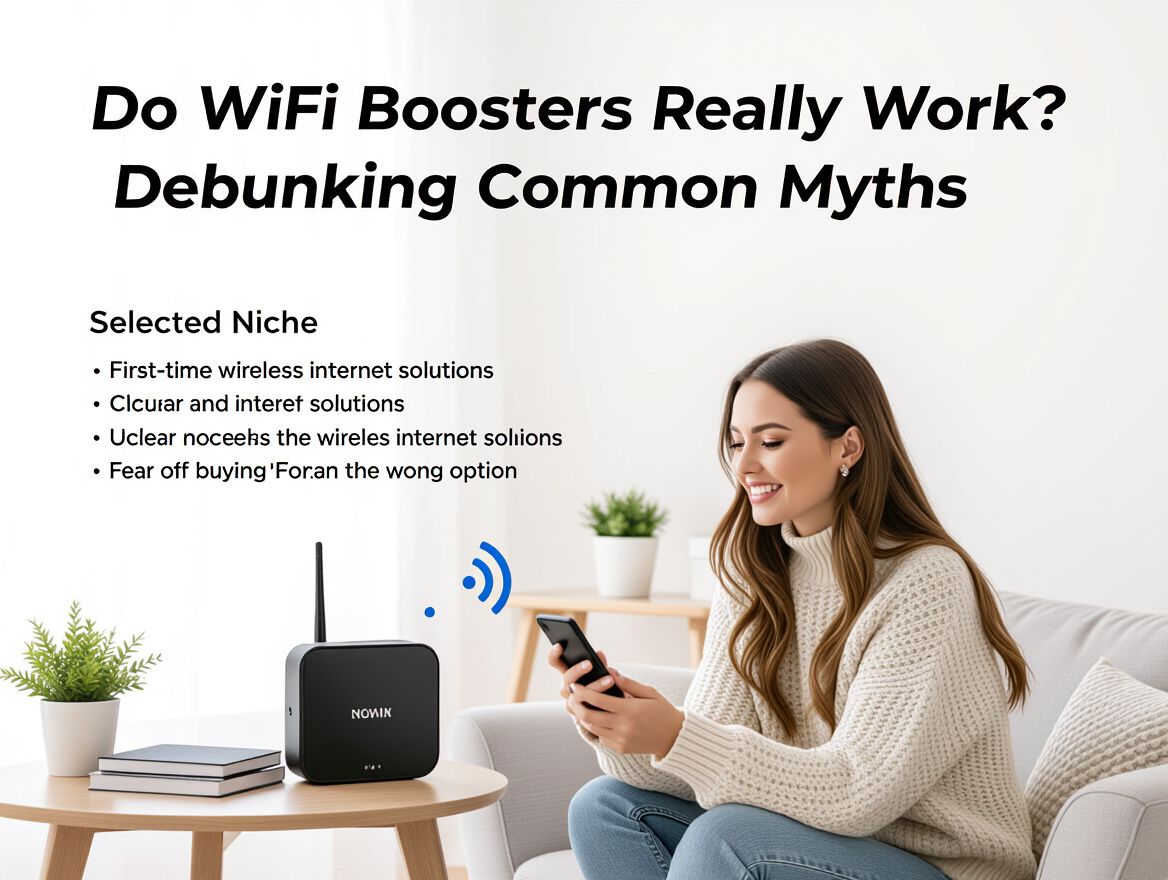
WiFi boosters, also known as range extenders or repeaters, are devices designed to enhance the coverage area of your existing WiFi network. They work by receiving the WiFi signal from your router and amplifying it, allowing you to connect to the internet from farther away than your router's original reach.
Purpose and Common Usage Scenarios
WiFi boosters can be particularly beneficial in various situations:
- Large Homes: In larger homes where the router's signal may not reach every room, a WiFi booster can help eliminate dead zones, ensuring that all areas have adequate coverage.
- Obstructions: If there are physical barriers like walls or furniture that block WiFi signals, a booster can help bridge these gaps, providing better connectivity.
- Outdoor Areas: For those who wish to use the internet in yards or garages, a WiFi booster can extend the signal outdoors, making it easier to stay connected.
While WiFi boosters can be effective in improving network coverage, it's important to understand their limitations and the specific scenarios in which they perform best. This awareness will help consumers make informed decisions based on their unique needs and environments.
Common Myths About WiFi Boosters
Understanding the effectiveness of WiFi boosters requires debunking several prevalent myths that often mislead consumers. Here are three common misconceptions and the facts that counter them:
Myth 1: WiFi Boosters Double Your Internet Speed
Many people believe that installing a WiFi booster will automatically double their internet speed. In reality, while a booster can extend the range of your WiFi signal, it does not increase the speed provided by your internet service provider (ISP). Instead, the booster redistributes the existing bandwidth over a larger area. If your base connection speed is low, the booster will not enhance it; it will merely help eliminate weak spots.
Myth 2: All WiFi Boosters Work the Same Way
Not all WiFi boosters function identically. There are different types, such as range extenders, powerline adapters, and mesh systems, each designed for specific scenarios. Range extenders amplify the existing signal, while mesh systems create a new network that provides seamless coverage. Understanding these differences is crucial, as the effectiveness of a booster can vary based on your home layout, the materials used in construction, and existing network configurations.
Myth 3: WiFi Boosters Eliminate Dead Zones Entirely
While WiFi boosters can significantly reduce dead zones, they do not guarantee complete elimination. Factors such as interference from walls, floors, and electronic devices can still hinder signal strength. Additionally, if a booster is placed in an area where the original signal is weak, it may not provide the desired coverage. It's essential to strategically position your booster to maximize its effectiveness and consider whether a more robust solution, like a mesh network, may be necessary for larger spaces.
By recognizing these myths, consumers can make more informed decisions regarding the purchase and placement of WiFi boosters, ultimately improving their home network experience.
How WiFi Boosters Actually Work
Understanding how WiFi boosters operate is crucial for evaluating their effectiveness. WiFi boosters, also known as range extenders, function by receiving the existing WiFi signal from your router and amplifying it to extend coverage into areas with weak or no signal. Here’s a breakdown of their technology and types:
Technical Explanation of Signal Amplification
- Signal Receiving: WiFi boosters have antennas that capture the wireless signal from your router.
- Amplification Process: Once the signal is received, the booster amplifies it using internal circuitry. This process increases the strength of the signal enabling it to cover a larger area.
- Rebroadcasting: The amplified signal is then rebroadcasted, creating a new network area where devices can connect with improved performance.
Types of WiFi Boosters and Their Functionalities
-
Standard WiFi Extenders: These are the most common type, designed to extend coverage in homes and small offices. They are typically easy to set up and can connect to any router.
-
Powerline Adapters: These devices use your home’s electrical wiring to transmit the internet signal. They are effective in situations where the WiFi signal struggles to penetrate walls or reach distant rooms.
-
Mesh WiFi Systems: Comprising multiple nodes, mesh systems provide seamless coverage throughout large areas. They work together to create a unified network, eliminating dead zones more effectively than traditional extenders.
Considerations Before Purchase
-
Coverage Area: Assess the size of the area you need to cover. Standard extenders may suffice for smaller spaces, while larger homes may benefit from mesh systems.
-
Speed Requirements: Consider the internet speed you need for activities like gaming or streaming. Some boosters may reduce speed due to signal processing.
-
Compatibility: Ensure that the booster is compatible with your existing router and internet service provider.
Understanding these technical aspects and types of WiFi boosters can help you make an informed decision, weighing the benefits against your specific needs and potential limitations.
Criteria for Evaluating WiFi Booster Effectiveness
When considering whether a WiFi booster is the right solution for your connectivity issues, it's essential to evaluate several key factors. This checklist can help you assess the potential effectiveness of a WiFi booster for your specific needs:
-
Signal Strength and Coverage Area: Check the specifications of the WiFi booster to ensure it can adequately cover your desired area. Look for details on the maximum range it can reach and how it performs in different environments (e.g., walls, floors).
-
Compatibility with Existing Network Equipment: Ensure that the WiFi booster is compatible with your current router and other network devices. This includes checking the frequency bands (2.4 GHz and 5 GHz) and ensuring that it supports the same WiFi standards (e.g., 802.11n, 802.11ac).
-
User Reviews and Performance Feedback: Research user experiences and reviews to gain insights into real-world performance. Look for feedback on ease of installation, reliability, and any issues users may have encountered, such as connection drops or slow speeds.
By using this checklist, you can make a more informed decision about whether a WiFi booster will effectively improve your internet connectivity and meet your specific needs.
Trade-offs and Risks of Using WiFi Boosters
While WiFi boosters can enhance your network's reach, they come with specific trade-offs and potential risks that are essential to consider before making a purchase.
Possible Interference with Other Devices
WiFi boosters operate on the same frequencies as many household devices, including microwaves, cordless phones, and Bluetooth devices. This overlap can lead to interference, resulting in a less stable connection. If your home is filled with such devices, the effectiveness of a WiFi booster may be diminished.
Limitations in Bandwidth and Speed
Boosters can amplify the signal, but they may also reduce the overall bandwidth available. When a booster picks up the existing signal to extend it, it can halve the speed for devices connected to it, particularly if it operates on a single band. If high-speed internet is crucial for activities like gaming or streaming, this limitation is a noteworthy downside.
Situations Where a Booster May Not Be Effective
WiFi boosters are not a one-size-fits-all solution. They are most effective in larger homes or spaces with thick walls that obstruct signals. However, in scenarios where the primary router is already located in an optimal position or in small apartments, a booster may provide little to no benefit. Additionally, if the internet service itself is slow, no amount of boosting will resolve that underlying issue.
Understanding these trade-offs and risks is crucial for consumers considering WiFi boosters. Evaluating your specific situation can help determine if a booster is a suitable solution or if alternative options, such as upgrading your router or repositioning it, might be more effective.
Frequently Asked Questions About WiFi Boosters
When considering a WiFi booster, potential buyers often have specific questions that can influence their decision-making process. Here are answers to some of the most common inquiries:
Do WiFi boosters work in all situations?
WiFi boosters can significantly enhance signal strength in many environments, but their effectiveness varies based on several factors:
- Distance from the Router: The further away you are, the less effective the booster may be.
- Obstacles: Walls, furniture, and other obstructions can weaken the signal.
- Interference: Devices like microwaves and cordless phones can disrupt WiFi signals.
- Network Congestion: If many devices are connected, performance may decline.
How to choose the right WiFi booster?
Selecting the right WiFi booster involves understanding your specific needs and the environment:
- Coverage Area: Assess the size of the area needing coverage. Some boosters are designed for small homes, while others can handle larger spaces.
- Speed Requirements: Consider the internet speeds you need for activities like streaming or gaming.
- Compatibility: Ensure the booster is compatible with your existing router and supports the same WiFi standards (e.g., 802.11ac, 802.11n).
- Features: Look for additional features like dual-band support or Ethernet ports for wired connections.
Are there alternatives to WiFi boosters?
Yes, there are several alternatives to WiFi boosters that may suit different needs:
- Mesh WiFi Systems: These systems consist of multiple nodes that work together to provide seamless coverage across larger areas.
- Powerline Adapters: These use your home's electrical wiring to extend the network, which can be effective in certain setups.
- Upgrading Your Router: Sometimes, upgrading to a more powerful router can provide better coverage without the need for additional devices.
Understanding these aspects can help you make a more informed decision regarding the effectiveness and suitability of WiFi boosters for your specific situation.
Final Thoughts on WiFi Boosters
In summary, understanding whether WiFi boosters work effectively involves separating fact from fiction. WiFi boosters can enhance your network coverage, but their effectiveness is contingent upon several factors:
- Environment: The layout of your home, including walls and furniture, can significantly impact signal strength. WiFi boosters may not perform well in areas with heavy obstructions.
- Internet Speed: A booster cannot amplify the speed of your internet connection; it only extends the coverage area. If your base connection is slow, a booster won't resolve that issue.
- Device Compatibility: Not all boosters work seamlessly with every router. Ensure compatibility to maximize performance.
Before making a purchase, consider your specific needs and circumstances. Ask yourself:
- What is the primary reason for needing a booster? Is it to cover a dead zone, or are you looking to improve overall speed?
- How many devices will connect to the booster? This can affect the choice of model and specifications.
- What is your budget? Weigh the costs against the potential benefits to determine if a booster is a worthwhile investment for you.
By evaluating these criteria, you can make a more informed decision about whether a WiFi booster is the right solution for your connectivity challenges.